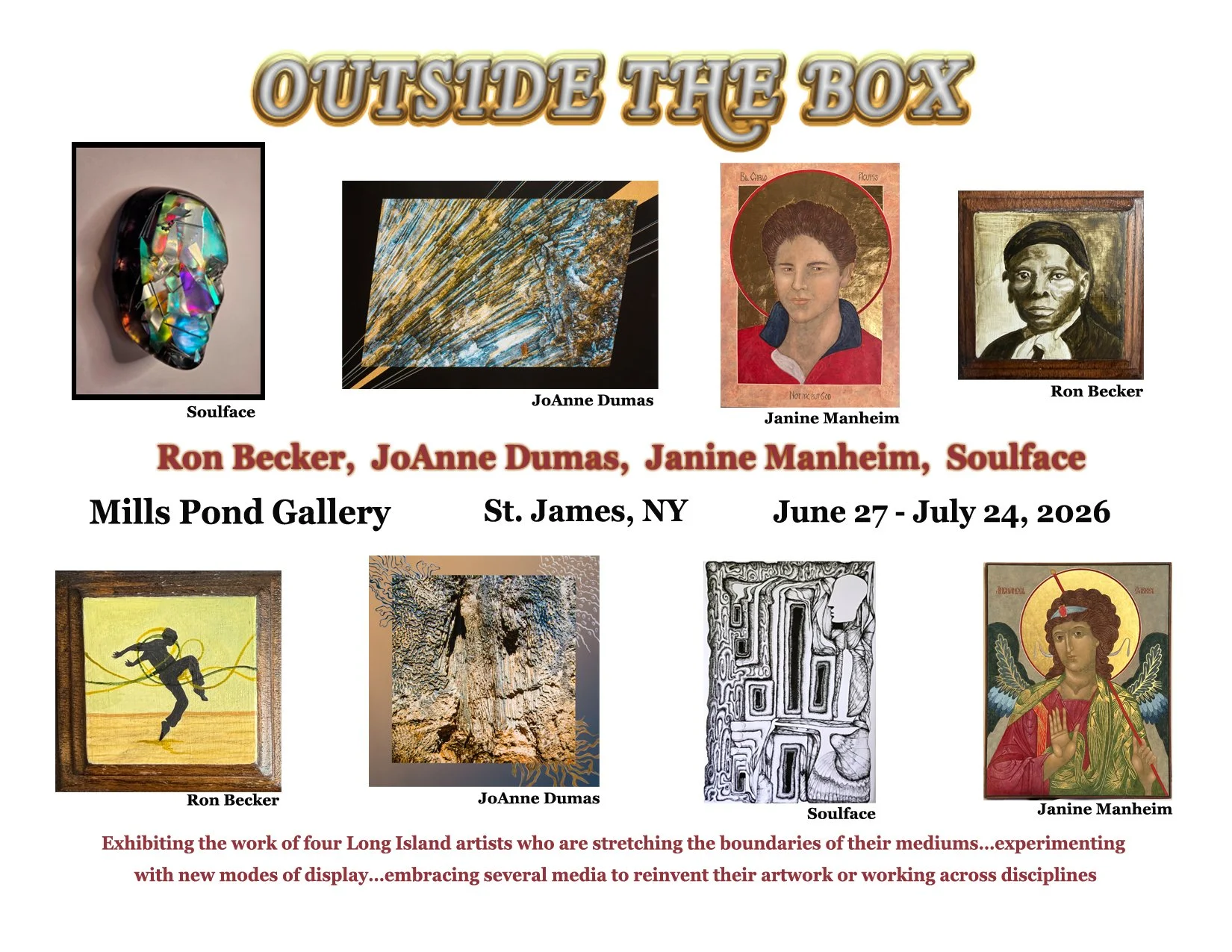
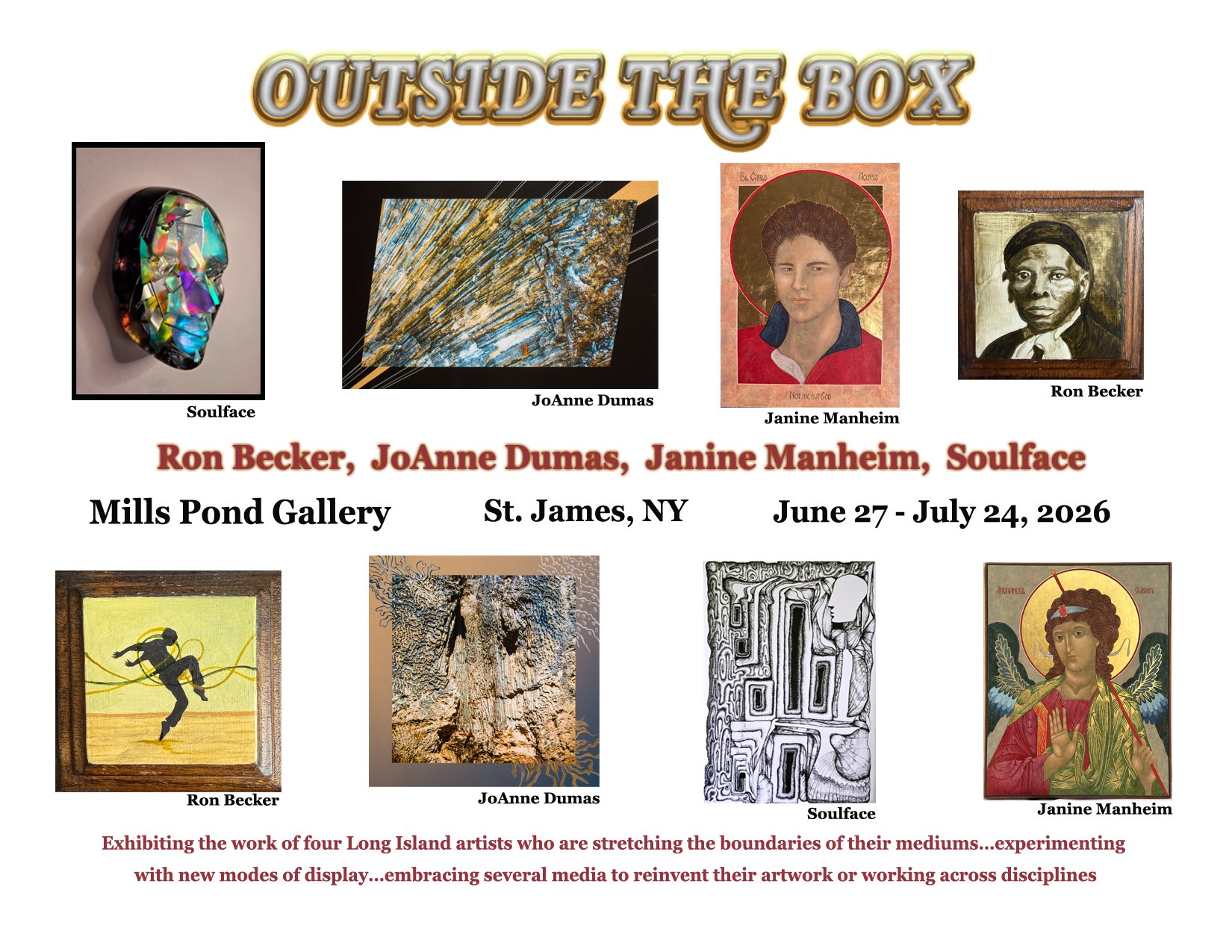
Outside the Box - June 27 - July 24, 2026
Video Link Kevin Casey (Soulface) https://youtu.be/kRBdEczUhWM
Video Link JoAnne Dumas https://youtu.be/5Ngc6ox_ED0
Video Link Janine Manheim https://youtu.be/GIX6DrPqr4Y
Video Link Ron Becker https://youtu.be/8oN107VwCrk
Featuring four artists…Ron Becker, JoAnne Dumas, Janine Manheim, Kevin Casey (Soulface)
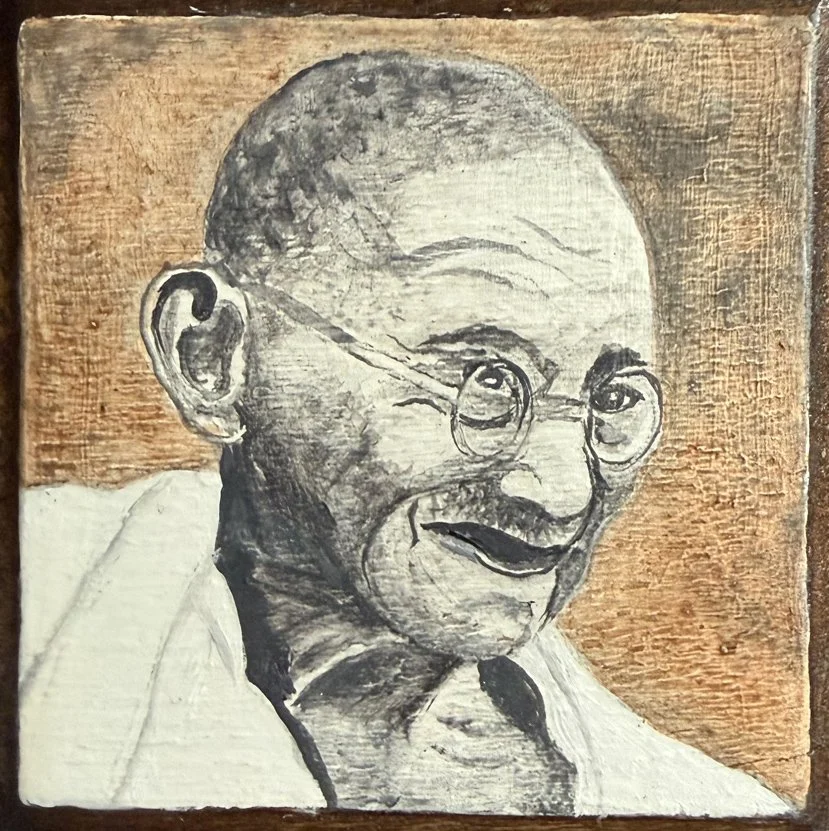
Deer Park artist Ron Becker has had several careers and unusual journeys, bringing him to where and who he is today. In Outside the Box Ron will be showing The Colors of My Life… a multi-medium exhibit, taking the viewer through the joys and traumas of his life. Think of a visual memoir. Ron reflects on the many people and experiences that had a significant impact on his faith, his success and his relationships. This exhibit’s content acknowledges that we don’t go through life alone and sometimes, unforeseen circumstances play a major role. Ron received support from LI Grants for the Arts for his Colors of My Life project.
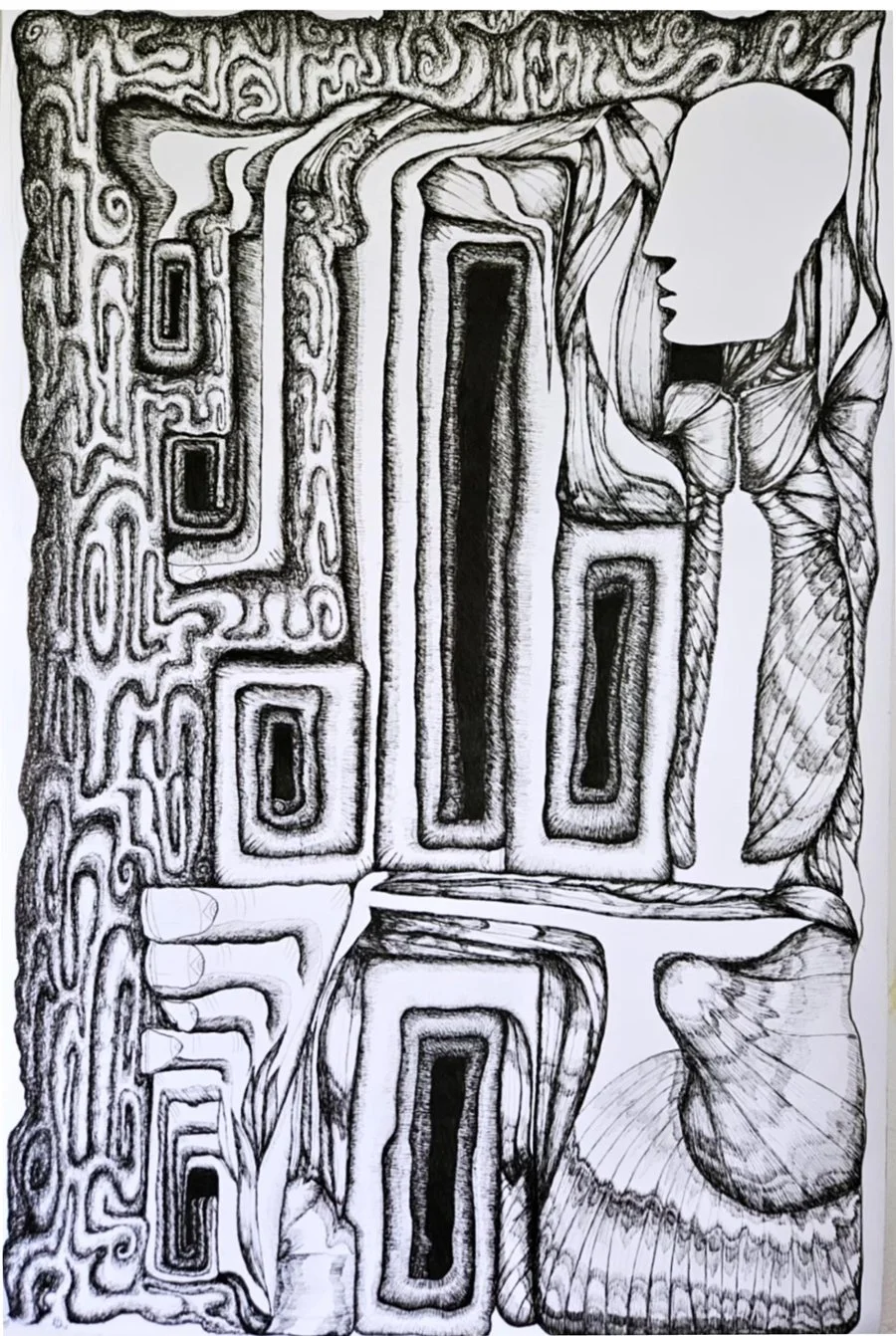
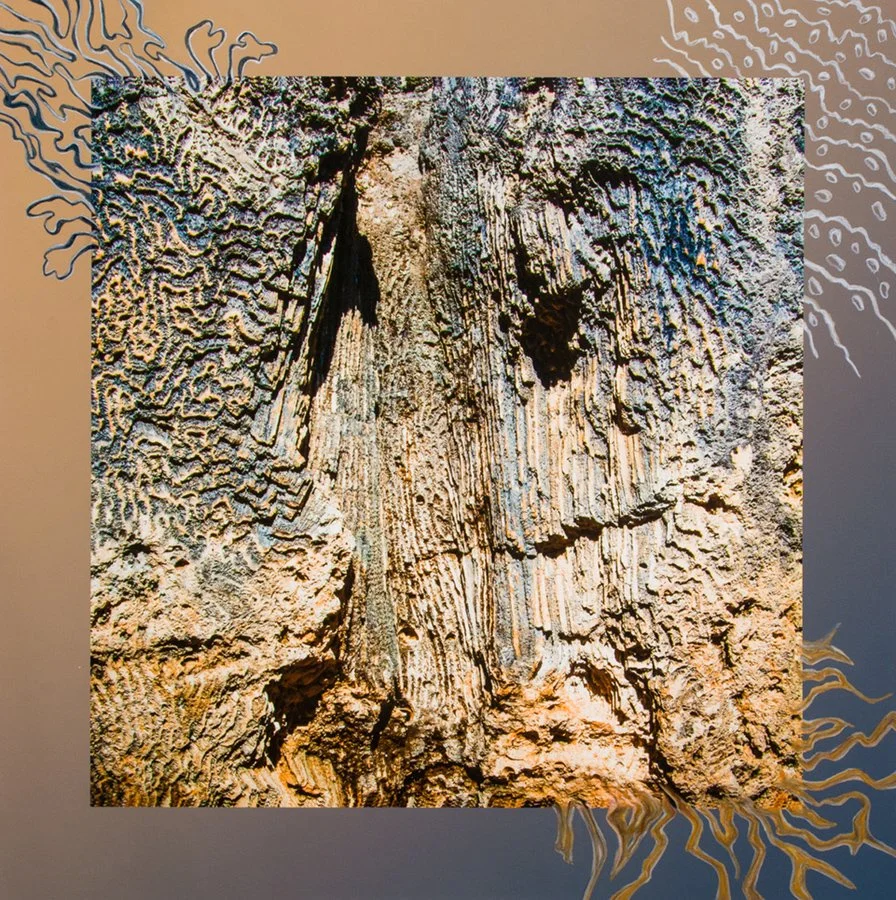
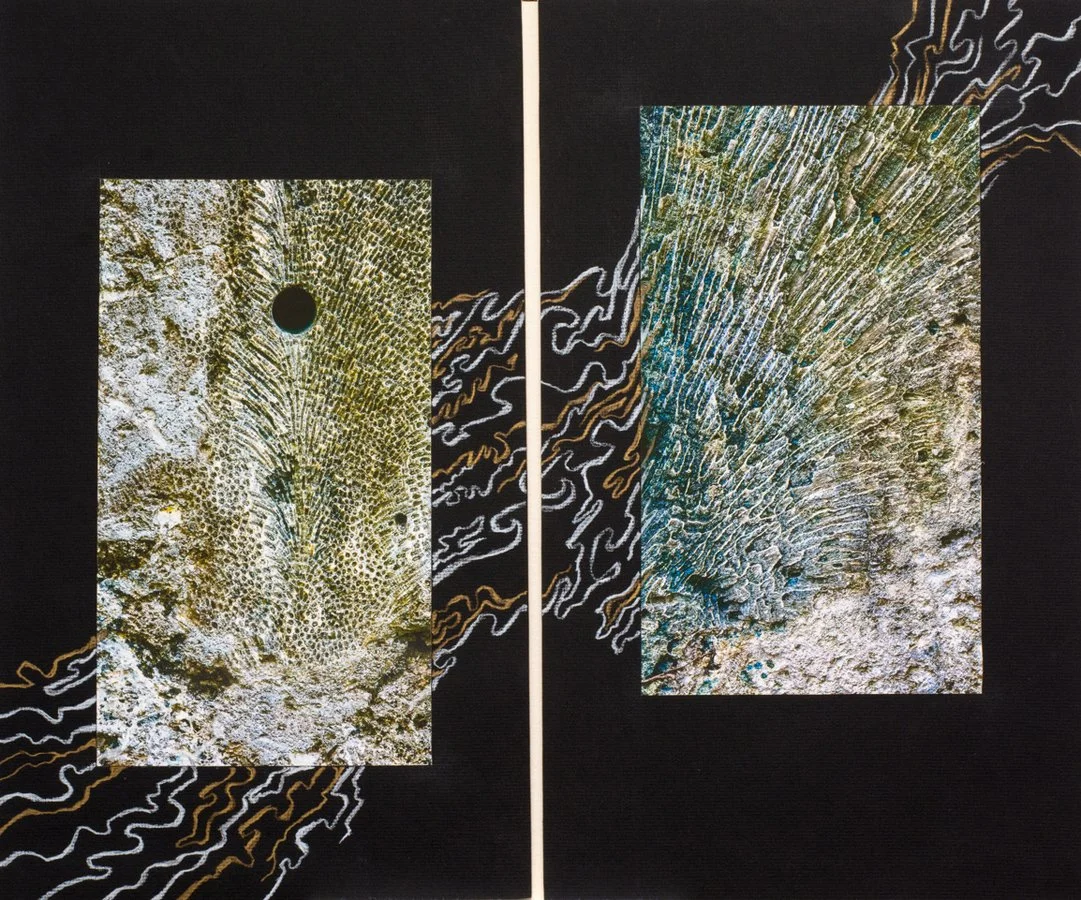
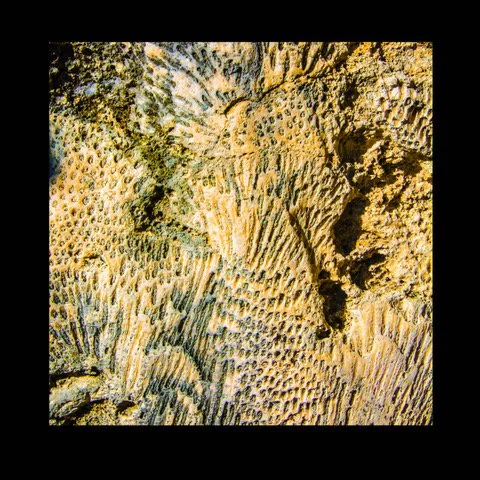
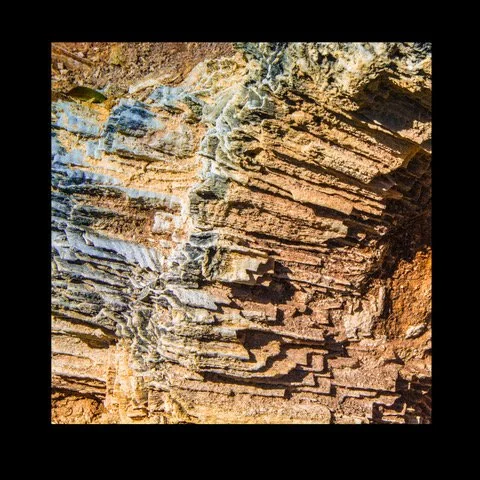
Wading River artist JoAnne Dumas is a visual artist whose work explores the beauty, structure and history embedded in the natural world. She is particularly drawn to patterns formed by water, stone and ancient geological processes, revealing connections between nature, time and design. Born in New York City, JoAnne received both her BFA with honors and MPS from Pratt Institute. She also studied at Parsons School of Design and the School of Visual Arts in New York City. JoAnne has taught high school and college art, led forums for New York artists and presented lectures and workshops at galleries, colleges and conferences for the New York State Art Teachers’ Association. Her work is included in private and commercial collections and in permanent installations at two buildings within Stony Brook University Hospital in New York.
For the 3 hours during the reception for Outside the Box ’26, visitors asked me questions about the work I was exhibiting. I have jotted down the following information that I shared with them below. I put this into an informal chronological format rather than individual questions and answers.
When I first saw these coral fossils, my mind was blank but excited. It was a surprise find. I loved the uniqueness, connection with our past and the fact that they were once living in this very place. I only had few hours to take images, so I planned on coming back a year later. During that time, I kept sketching and thinking about how to best display my images. My first attempt was a collage of a fan coral from my old water images. When I finished, I decided collage was not the direction I wanted to go, but it gave me time to think of a transition. The “Then & Now” body of work on display now came after months of experimentation. The following information is the process I used for these images.
I started by photographing a wide variety of coral shapes. As most artists I was considering composition, color and texture when using my camera. Working outdoors I also had to consider weather, terrain and the presence of other visitors.
Next, I imported the images into my computer and started sorting them into keepers and rejects. I was considering what materials I would use in my final pieces. I wanted to bring out the shapes and colors in my photographs. I experimented for months, buying new materials, taking notes, making sketches, mock-ups and test prints.
Finally came the production of the pieces. Eight pieces in this exhibit are printed photographs on Epson archival 24” Luster substrate, the other fifteen pieces are printed on archival 24” Epson Matte paper and are finished off with various other mediums—pencil, metallic markers, acrylic paint, metallic board and diamond dust. (The prints are not drawn into.) All prints were printed on my Epson 24” printer using roll media. The prints are mounted on my handmade panels using a 24” roll of Gudy adhesive. The excess image is then trimmed from the panel and the D-rings and wire are attached.
The images can be seen on my website at:
https://www.joannedumas.com/2025-2026-images
Three very helpful links below:
https://www.floridastateparks.org/learn/geology-windley-key-fossil-reef-geological-state-park
https://www.floridastateparks.org/learn/history-windley-key
https://oceanservice.noaa.gov/education/tutorial_corals/coral03_growth.html


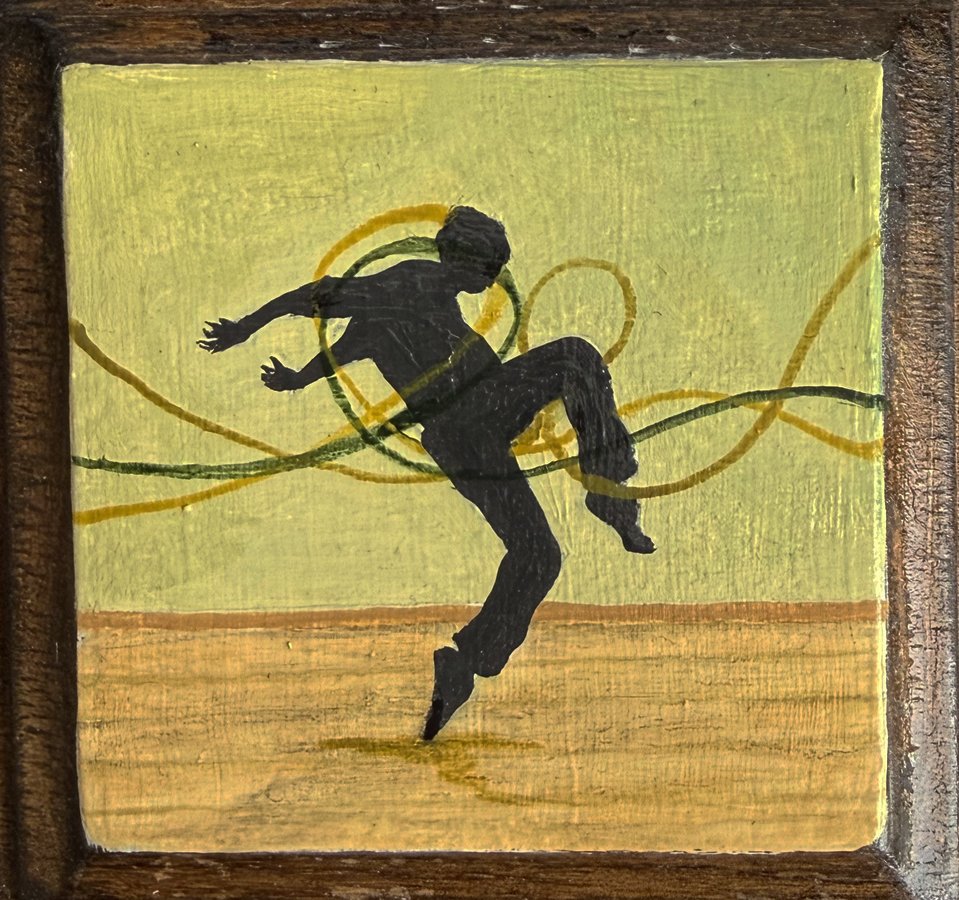
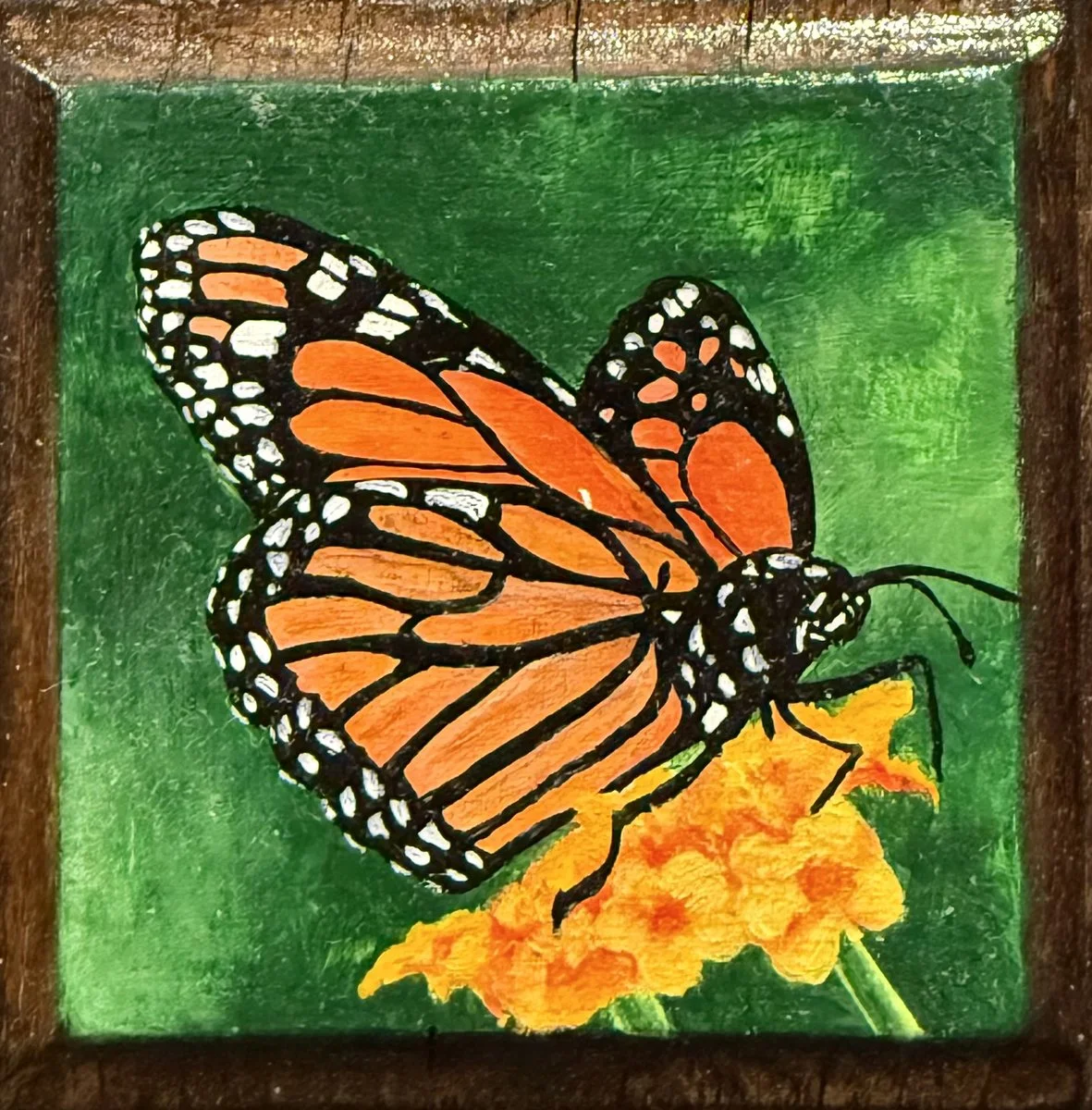
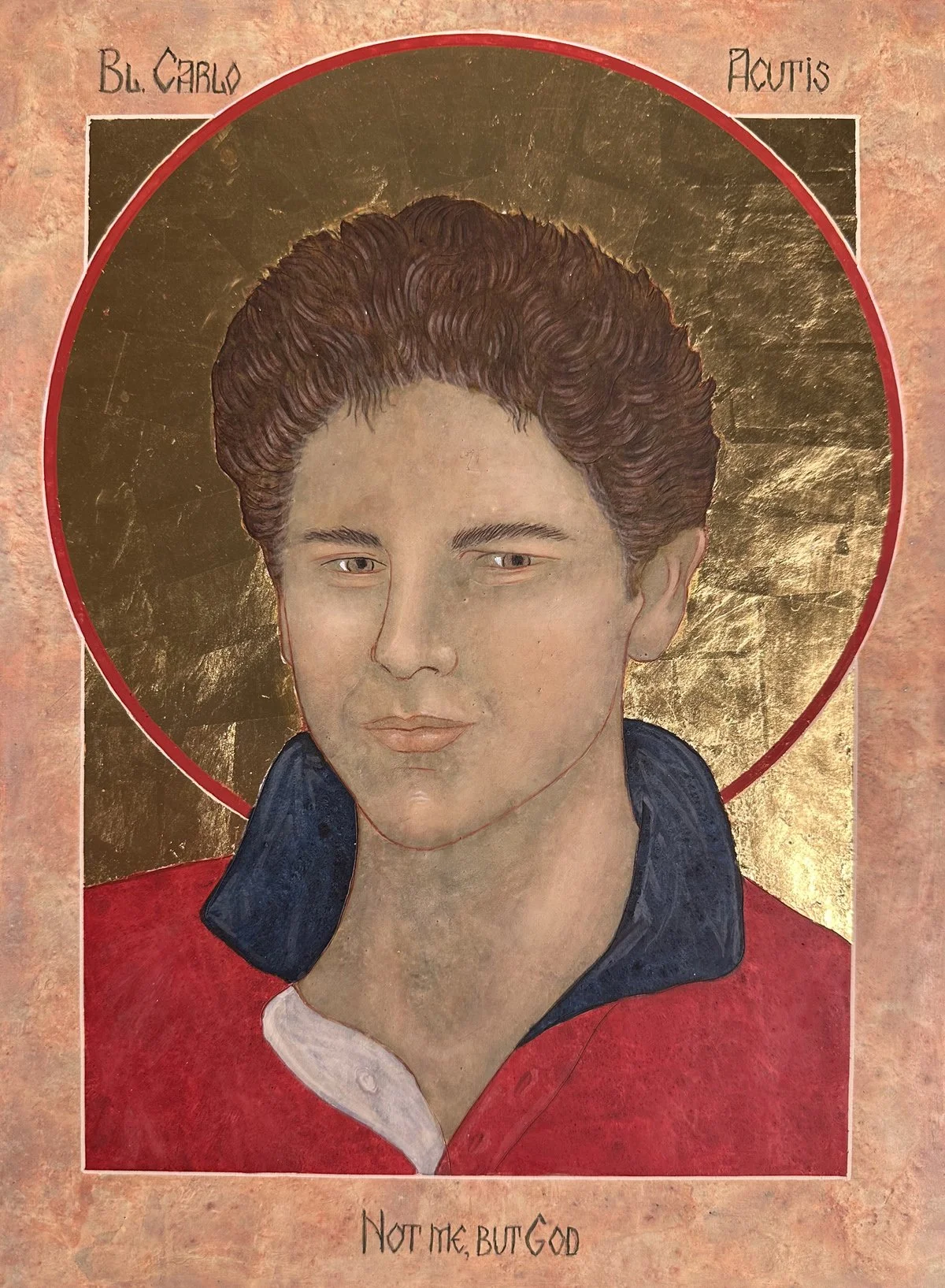
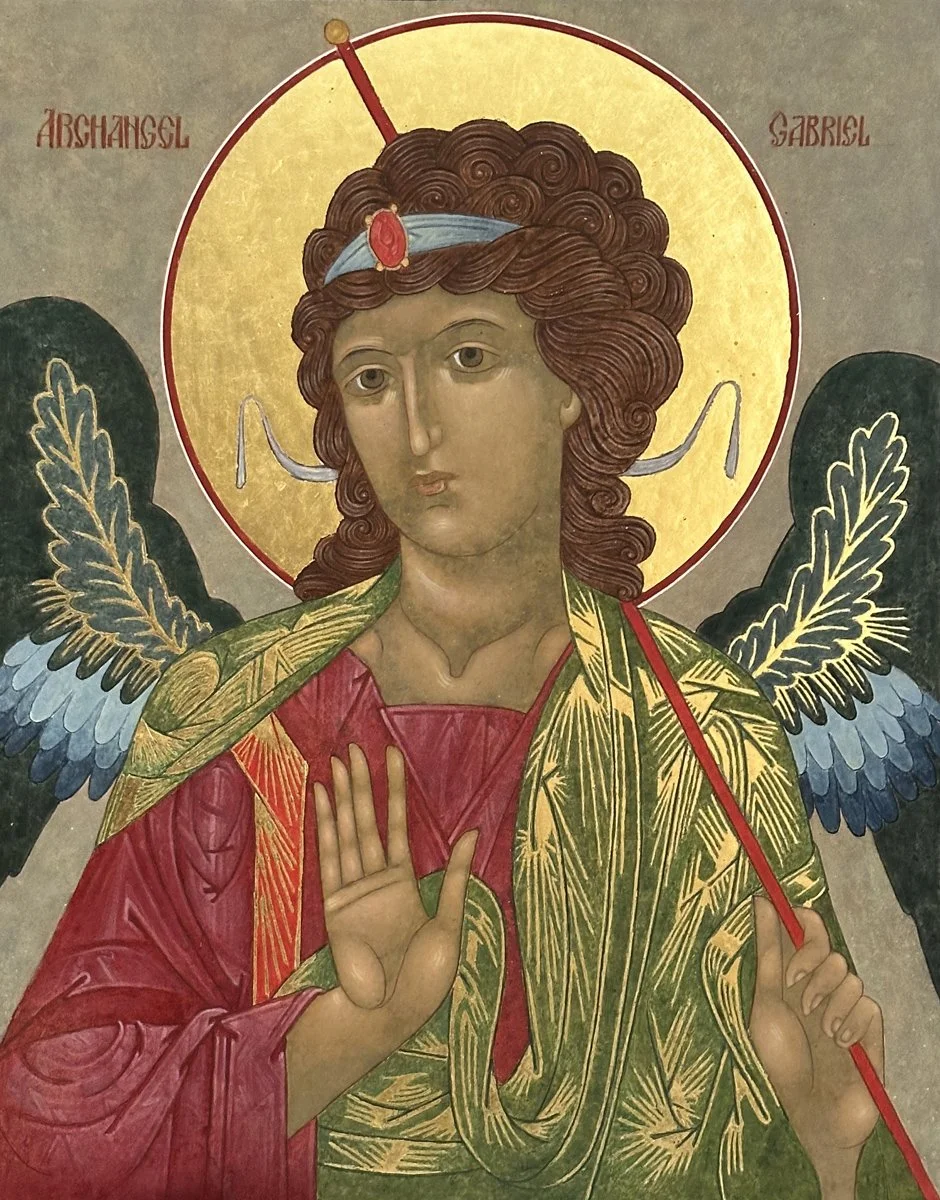
Kings Park artist Janine Manheim is a graduate of Pratt Institute in Brooklyn. She also studied at Parsons School of Design and independently in Italy. She began her career in the commercial art world but came to realize that it is better to devote her talent to art that lasts for centuries, not the latest trend. She has been writing icons and teaching iconography for more than 30 years. Her icons grace worship spaces and private collections from South Korea across the U.S. to Italy. She is meticulous in her desire to research and replicate the exact methods used by the early iconographers and artists with the hope of one day gaining the enlightenment of heart, mind and soul that they enjoyed.
Are icons, done in egg tempera, considered “out-of-the-box”? Yes– following an explosion of artistic styles and schools in the 20th and 21st centuries (from impressionism to photorealism and beyond), most people will only encounter egg tempera painting in an art history class, a museum, or a church. As such, it may be surprising that a technique and subject matter associated with the past continues to survive quietly in the present and will endure into the future.
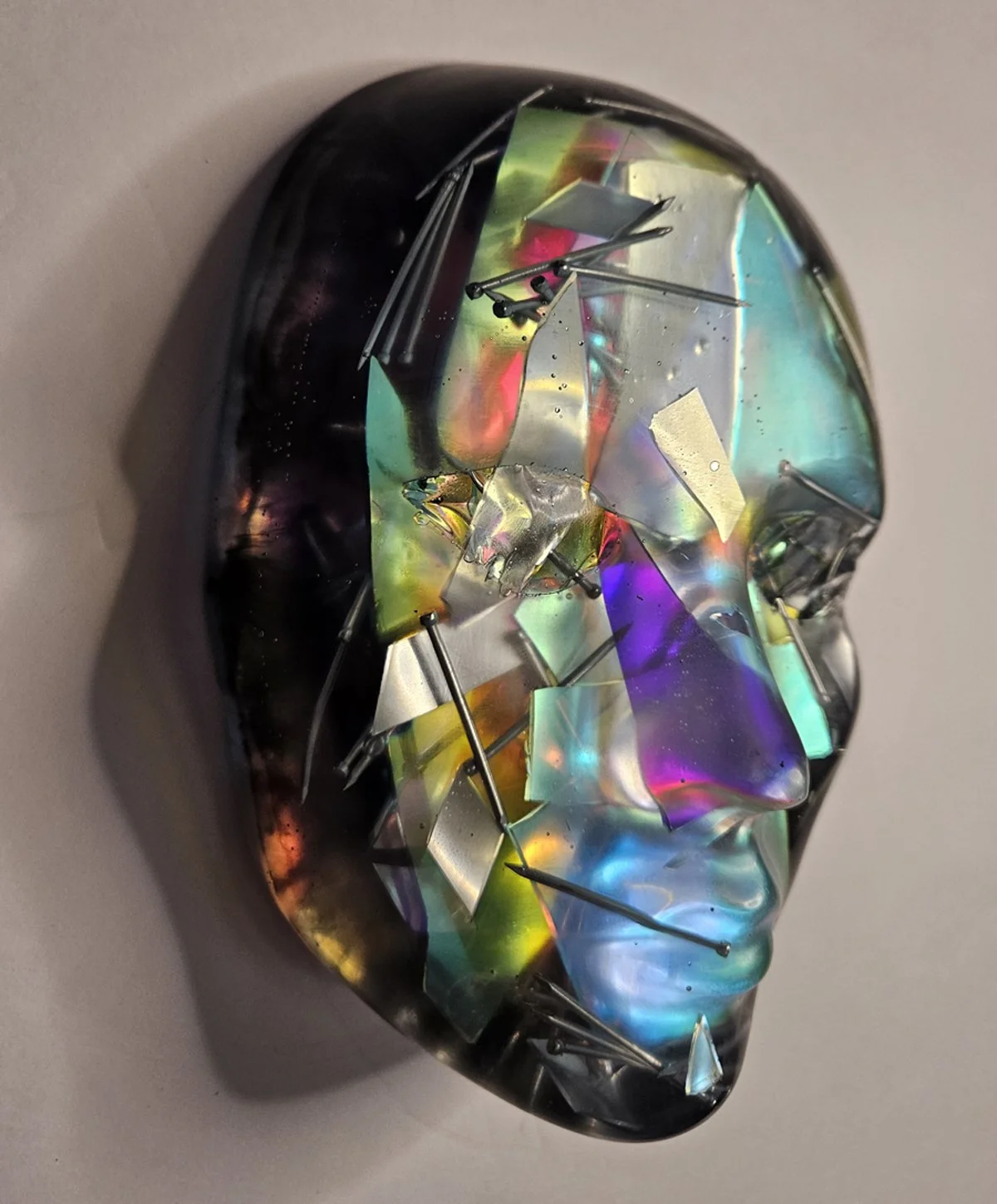
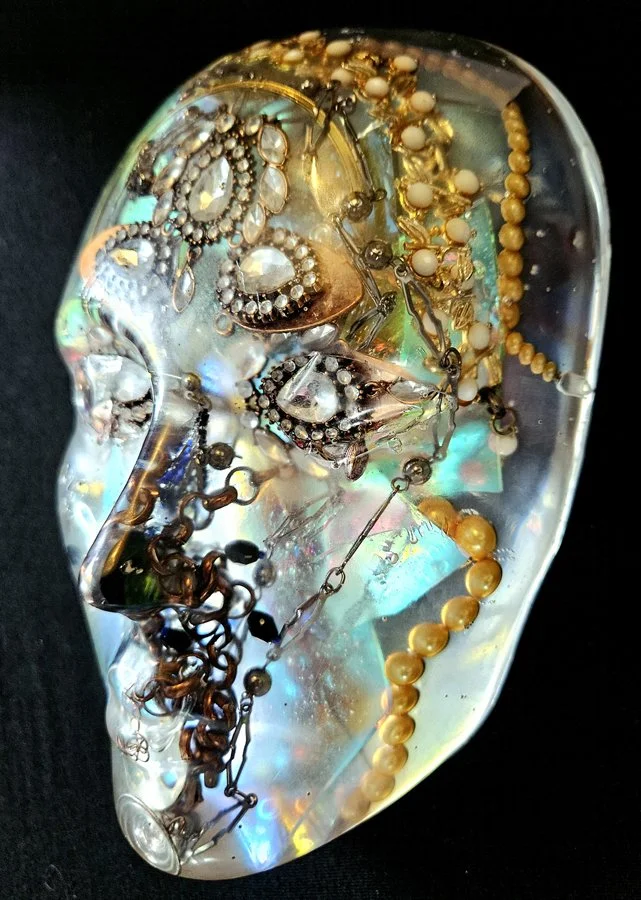
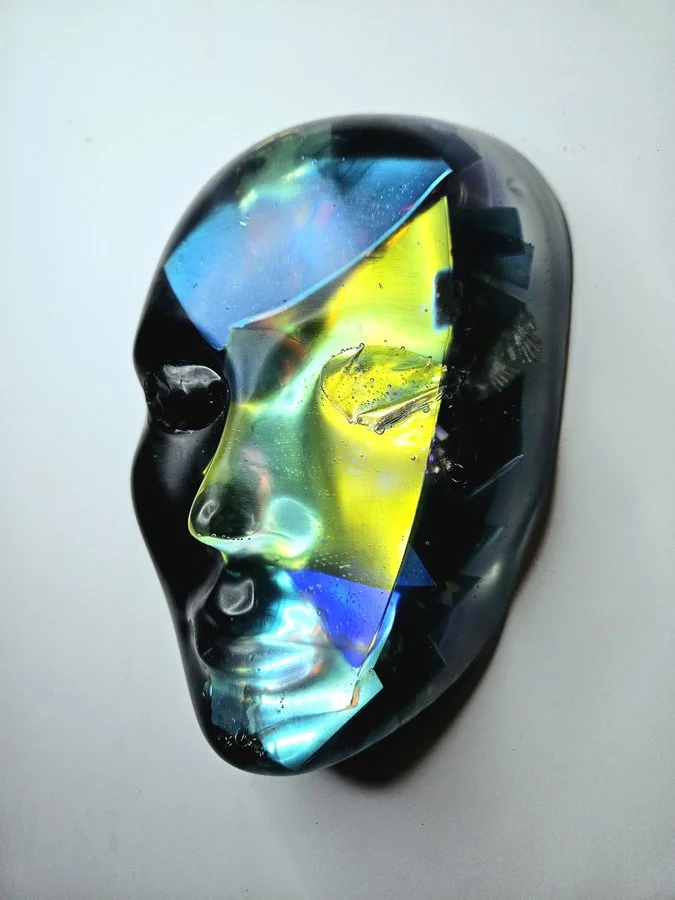
Patchogue artist Kevin Casey (SoulFace) creates art from the space between the inner world and the outer one. After spending years feeling disconnected from what truly matters, he found clarity in silence, meditation, and reflection. In those quiet moments, ideas and visions began to surface—feelings and truths that are hard to explain with words alone. Those experiences shape his work. His art is less about showing reality exactly as it appears and more about expressing what exists beneath the surface. Through color, form, and abstraction, SoulFace explores emotion, meaniWhat once felt like separation has become a path back to presence, awareness, and shared human experience. Through his work, he hopes others can pause, reflect, and reconnect with something deeper within themselves and the world around them.ng, and the invisible connection between people, thought, and spirit.
For SoulFace, creating art is a deeply personal act of connection. Each piece is both a question and a response—a way of turning something unseen into something people can feel and relate to.